Introduction
In a world where support and care are paramount, the role of a Direct Support Professional (DSP) stands as a beacon of hope for many individuals with disabilities or special needs. These professionals not only provide essential assistance but also contribute to enhancing the quality of life for those they serve. The intricate balance between being supportive and skilled is what sets an exceptional DSP apart from the rest.
This article delves deep into the Supportive and Skilled: Must-Have Traits for Direct Support Professionals that shape their effectiveness and impact. We aim to explore the characteristics that define these remarkable individuals, ensuring they thrive in their roles while positively influencing the lives of others.
Understanding the Role of a Direct Support Professional
What Is a Direct Support Professional?
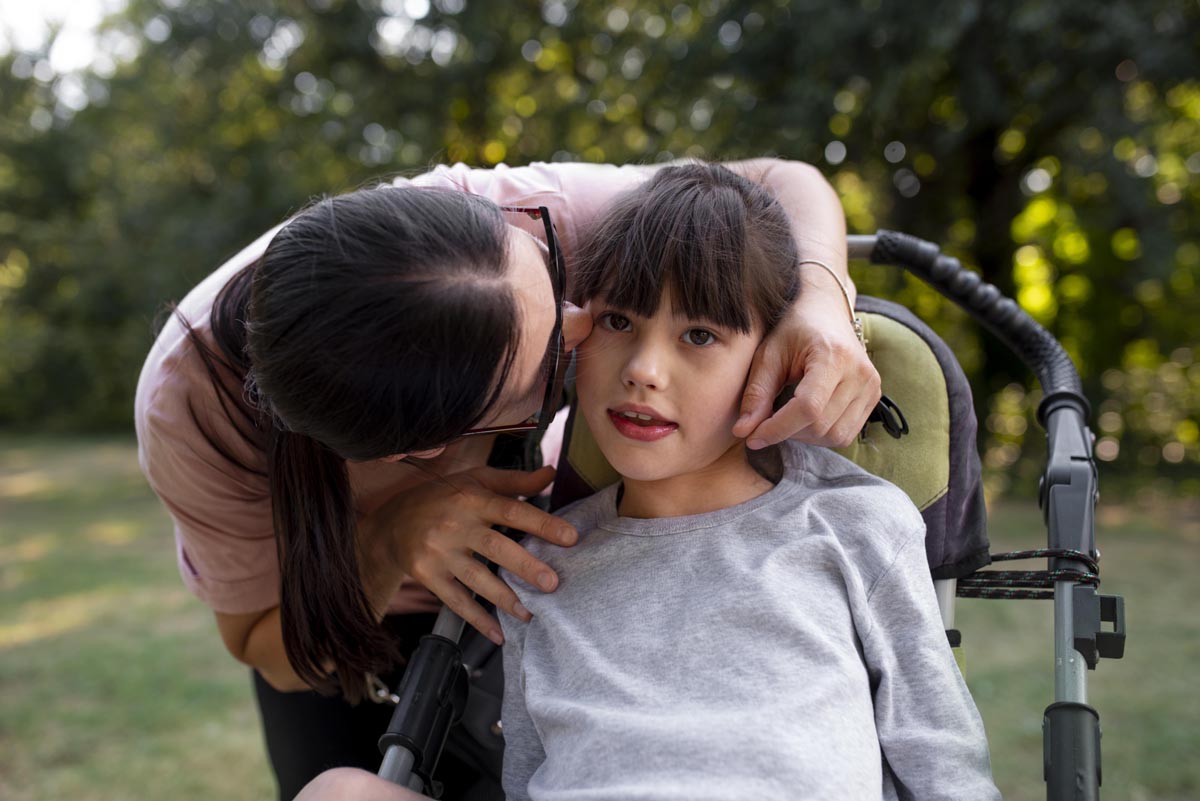
A Direct Support Professional is someone who offers personalized care and support to individuals with disabilities, helping them lead fulfilling lives. This role encompasses various responsibilities ranging from daily living assistance to fostering independence.
Key Responsibilities of a DSP
- Supporting daily living activities Assisting with personal hygiene Facilitating community involvement Encouraging social interactions Implementing individualized care plans
Importance of Direct Support Professionals
The significance of DSPs cannot be overstated. They serve as advocates for their clients, ensuring that their rights are upheld and Direct Support Professional in Sherwood that they can access necessary resources.
Supportive and Skilled: Must-Have Traits for Direct Support Professionals
Compassionate Nature
A compassionate heart is crucial for any DSP. Understanding the emotional challenges faced by individuals with disabilities fosters trust and rapport.
Why Compassion Matters
Compassion enables DSPs to connect meaningfully with those they support, creating an environment where clients feel valued and understood.
Effective Communication Skills
Communication isn't just about words; it's about understanding nuances—tone, body language, and even silence can convey messages.
Enhancing Communication Skills
DSPs must adapt their communication styles based on individual client needs, ensuring clarity while promoting engagement.
Patience Under Pressure
Working in stressful situations requires immense patience. A skilled DSP knows how to maintain composure even when faced with challenging behaviors or crises.
Techniques to Cultivate Patience
Practicing mindfulness techniques can help DSPs remain calm during difficult interactions, allowing them to respond thoughtfully rather than react impulsively.
Problem-Solving Abilities
Life is unpredictable, especially when working with diverse populations. Effective problem-solving skills enable DSPs to navigate obstacles creatively while remaining focused on client goals.
Steps for Effective Problem Solving
Identify the issue clearly. Brainstorm potential solutions. Evaluate options based on client needs. Implement chosen solutions thoughtfully.Empathy: A Cornerstone Trait
The Role of Empathy in Caregiving
Empathy allows DSPs to understand experiences from their clients' perspectives, enriching their ability to provide tailored support.
Building Empathy Skills
Engaging in active listening exercises encourages DSPs to immerse themselves fully in another’s experience without judgment or bias.
Cultural Competence
Why Cultural Awareness Is Essential
In a diverse society, understanding cultural differences enhances connections between DSPs and clients from varied backgrounds.
Strategies for Developing Cultural Competence
Attend workshops on diversity. Engage with community groups. Reflect on personal biases regularly.Adaptability in Dynamic Environments
Embracing Change as a Core Skill
Being adaptable equips DSPs to handle unexpected changes in schedules or client needs effectively.
Fostering Adaptability
Regularly stepping out of one’s comfort zone can build resilience, enabling professionals to adjust quickly when circumstances shift unexpectedly.

Team Collaboration
The Power of Working Together
Collaboration among professionals leads to improved outcomes for clients through shared knowledge and resources.
Building Collaborative Relationships
Encouraging open dialogue among team members fosters a supportive environment conducive to teamwork.
Respectful Attitude Towards Clients
Valuing Individuality
Every client has unique preferences and needs; respecting this individuality promotes dignity in care provision.
Tips for Maintaining Respect
Using person-first language emphasizes the individual rather than defining them solely by their disability fosters respectfulness in interactions.
Strong Organizational Skills
Managing Multiple Responsibilities Effectively
Organizational skills are vital in keeping track of client appointments, medications, and other important tasks seamlessly.
Techniques for Better Organization
Utilize planners or digital calendars. Set reminders for key tasks. Prioritize responsibilities based on urgency and importance.Advocacy Skills
Being a Voice for Those Who Need It Most
Direct Support Professionals often serve as advocates for their clients’ rights within healthcare systems or community settings.
How to Enhance Advocacy Skills
Staying informed about local laws regarding disability rights ensures that DSPs can advocate effectively when necessary.
Knowledgeable about Disability Issues
Staying Updated on Relevant Information
A well-informed DSP understands various disabilities' complexities while recognizing evolving best practices within this field.
Resources for Ongoing Education
Participating in professional development courses keeps skills fresh while providing valuable insights into emerging trends affecting direct support practices positively.
The Importance of Boundaries
Establishing Healthy Boundaries
Boundaries ensure that relationships remain professional while protecting both clients’ dignity and caregivers’ well-being.
Strategies For Setting Boundaries
Clearly communicating expectations at the onset helps establish mutual respect while safeguarding against potential burnout.
Creativity In Problem Solving
Thinking Outside The Box
Creativity enriches interventions by offering innovative solutions tailored specifically toward individual client needs.
Exercises To Foster Creativity
Engaging in brainstorming sessions allows professionals collectively generate fresh ideas that enhance service delivery.
FAQs About Direct Support Professionals
What qualifications do I need to become a Direct Support Professional?
Most states require either a high school diploma or GED along with specific certifications related directly towards caregiving practices; additional training may vary depending upon employer requirements.
Can anyone become a Direct Support Professional?

How much do Direct Support Professionals earn?
Salaries vary widely based upon location level experience but generally range anywhere from $25k-$40k annually according too industry standards across various regions.
Is there room for advancement within this career path?
Absolutely! Many organizations offer advancement opportunities leading towards supervisory positions management roles depending upon demonstrated proficiency skillsets exhibited over time.
What kind of work environments do most Direct Support Professionals operate in?
Typically found at residential facilities group homes schools day programs offering varying levels assistance needed depending upon individual preferences capabilities respective communities served.
How can I find job listings specifically targeting DSR positions? Many online job boards specialized websites dedicated solely towards connecting aspiring candidates employers seeking qualified applicants list openings frequently available.
Conclusion
In conclusion, being an exceptional Direct Support Professional requires more than just technical knowledge; it necessitates embodying qualities such as compassion adaptability teamwork among others discussed herein! When striving towards enhancing lives through our commitment these must-have traits we become catalysts positive change ultimately uplifting those we serve empowering them live fullest potential possible!